Hong Kong’s unique cultural position demands websites that speak
fluently in both Traditional Chinese and English. It’s not just
about translation — it’s about creating a cohesive visual
experience where both scripts feel equally at home on the page.
When you pair Traditional Chinese characters with Latin letters,
you’re not simply combining two writing systems. You’re creating
a visual conversation between two distinct typographic
traditions that have evolved over centuries.
The challenge is real. Traditional Chinese characters are
complex, with multiple strokes that require different spacing
than Latin letters. A font size that works beautifully for
English headlines might make Chinese text feel cramped or
scattered. Line heights that seem perfect for English paragraphs
can create awkward gaps between Chinese lines. Character spacing
— or the lack thereof — affects readability in ways that differ
dramatically between the two scripts.
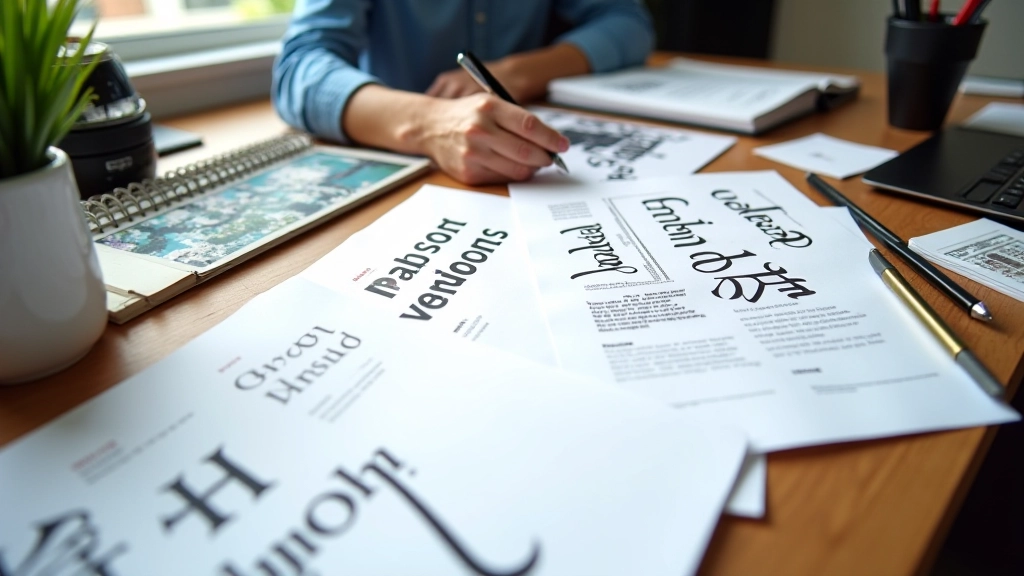
Professional bilingual typography isn’t about finding a single
“perfect” typeface that does everything. Instead, it’s about
understanding the strengths of different fonts and choosing
complementary pairs that work together. You might discover that
a clean, modern sans-serif works wonderfully for your English
body text, but the same font feels too thin when used for
Chinese characters. That’s where thoughtful pairing comes in —
selecting a Chinese font that mirrors the personality of your
English choice while maintaining its own readability.
For international audiences visiting your Hong Kong website,
good bilingual typography signals professionalism and care. It
shows you’ve thought about how visitors will experience your
content, whether they read primarily in Chinese, primarily in
English, or comfortably in both. Responsive design becomes even
more important — your typography decisions need to work across
devices, from large desktop monitors to mobile screens, without
losing legibility or visual harmony.
These guides explore the practical knowledge you’ll need to
implement sophisticated bilingual typography on your website.
You’ll learn not just the technical details of line height and
character spacing, but also the design principles that make
bilingual layouts feel natural and elegant rather than awkward
or forced.